
Qualcomm Unveils Snapdragon C to Power $300 Windows ARM Laptops
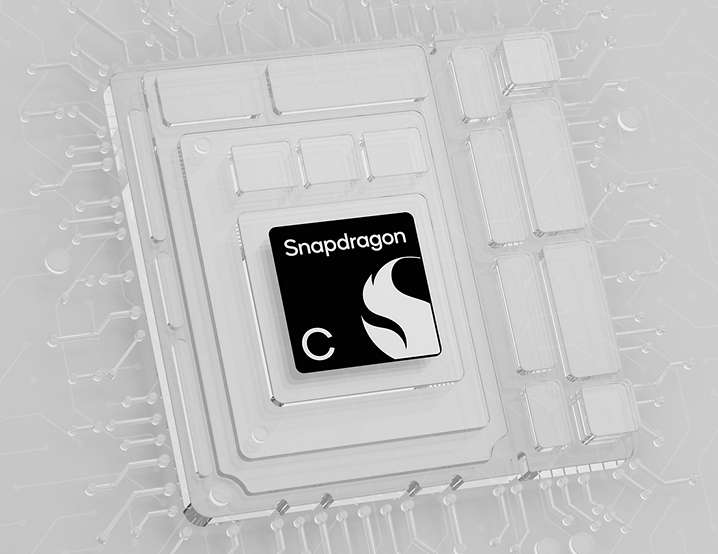
Qualcomm has officially announced Snapdragon C, a new low‑end ARM chip designed for ultra‑affordable Windows 11 laptops starting at $300. The SoC targets light productivity and media‑consumption devices, offering all‑day battery life, quiet thermals, and an integrated NPU—though not powerful enough to qualify as a Copilot+ PC platform. Snapdragon C devices are expected to ship with 4GB–8GB RAM, positioning them as Windows alternatives to Chromebooks and Apple’s entry‑level MacBook Neo. Acer, HP, and Lenovo are already preparing devices for launch in late 2026. Qualcomm hasn’t revealed core architecture details yet, except that Snapdragon C does not use Oryon cores, with more technical information coming later this year.
Editor's Note: The strength of the MacBook Neo lies in the fact that it is a product of a company that controls a vast ecosystem of technologies — from chip and hardware design to the development of the operating system and key applications. This full integration allows Apple to optimize every part of the device for all the others, ensuring stability, efficiency, and predictable behavior that competitors struggle to match.
There is another factor that must be mentioned — Apple’s reputation. For years, the company has cultivated the image of a maker of “elite” devices: premium design, uncompromising materials, long battery life, silent operation, and a minimalist interface. This isn’t just marketing; it’s part of the user experience that Apple controls down to the last detail.
This is why attempts to create a competing product — whether from Qualcomm or any other hardware partner — are doomed in the short term. Not because the technological potential isn’t there, but because the ecosystem that makes the Neo so appealing is missing. There may be plenty of ARM chips, but ecosystems like Apple’s simply don’t exist elsewhere.
Read the full story on Windows Central →