Meta's Next Big Bet Is an Internet of AI Agents
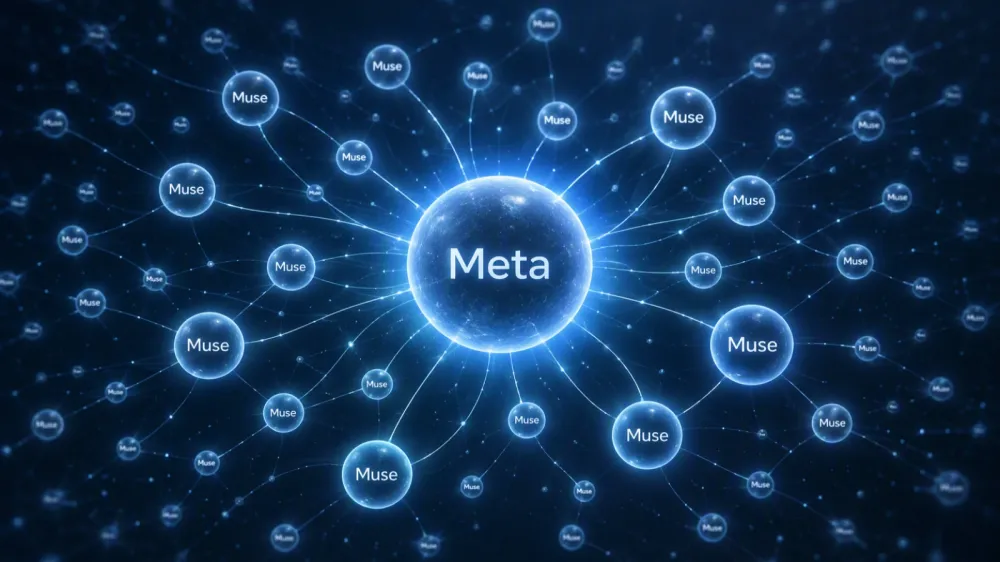
Meta CEO Mark Zuckerberg says the company's long-term goal is to build a massive network of AI agents, called Muse, that can collaborate with one another to serve billions of users and businesses. During Meta's earnings call, Zuckerberg argued that a large interconnected ecosystem of agents would be able to accomplish more than isolated assistants working independently. The strategy helps explain why Meta is aggressively expanding Muse adoption rather than focusing on immediate monetization. However, the vision arrives amid growing privacy and security concerns surrounding Muse, including allegations of unauthorized access to private information, accidental disclosure of personal data, and vulnerabilities that required emergency fixes. Amazon has already restricted Muse agents from operating on its platform over concerns about customer credentials and account security. Despite those issues, Meta claims more than 10 million users in the U.S. and Canada have created personal Muse agents since the product launched in September, with shopping emerging as the most popular use case. Scaling the network will be expensive, with Zuckerberg acknowledging that Muse is highly compute-intensive and Meta expecting to spend at least $135 billion on AI infrastructure this year. The company also reported negative free cash flow for the quarter and is introducing a new share structure intended to help fund its AI ambitions while preserving Zuckerberg's control.